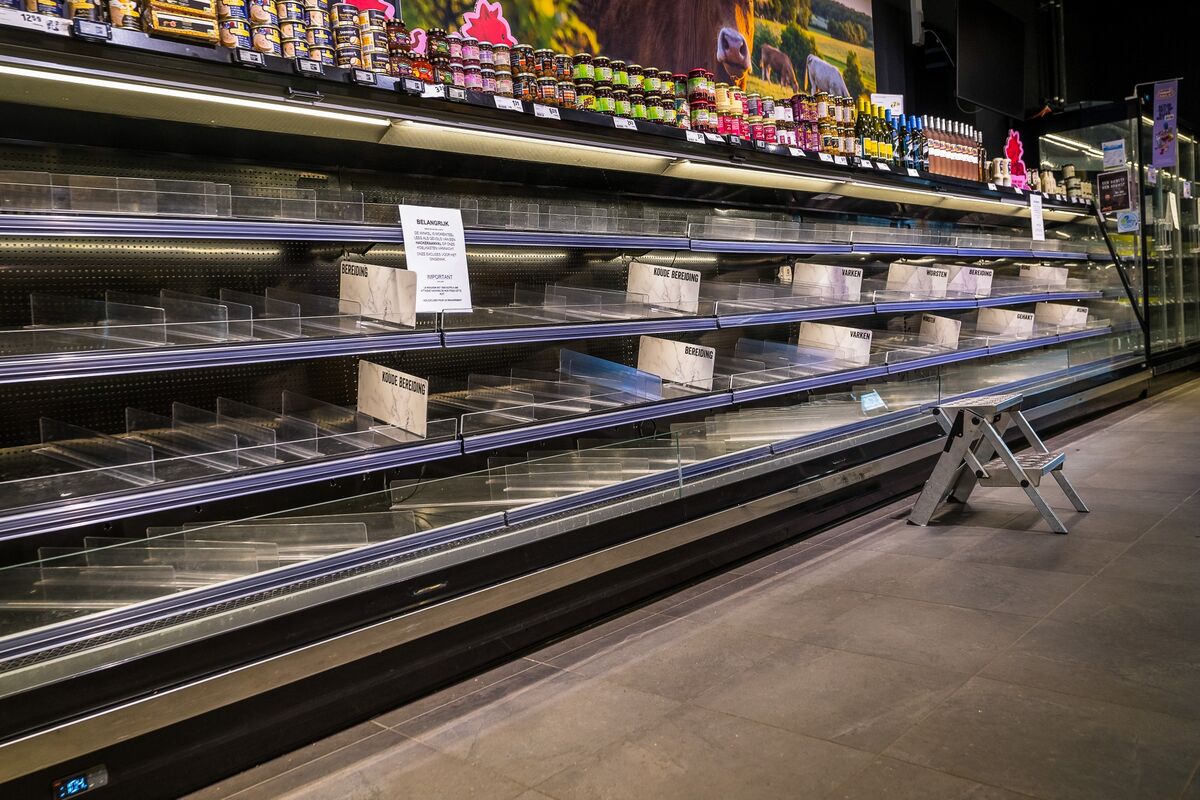
A chilling wave of cyberattacks has struck supermarkets across Europe, leaving fridges and freezers vulnerable to sudden temperature changes. Just weeks after a similar incident in France, stores in Belgium, Sweden, Estonia, Finland, and Ireland reported disruptions on Monday, sparking fears of widespread food spoilage and highlighting the growing risks to critical infrastructure.
A Recurring Nightmare
This isn’t the first time supermarkets have faced such threats. A previous attack, linked to vulnerabilities in Danfoss control panels, exposed how easily hackers could exploit weak passwords and unsecured internet connections. “The control panels’ internet addresses were accessible to anyone,” one observer noted, “and used very weak passwords. Basically, the default username was ‘admin,’ and the password was based on the current date.”
Despite this wake-up call, the latest incidents suggest many systems remain unprotected. “The last freezer hack should have given them plenty of time to react. Why didn’t they?” asked one frustrated commenter. Others pointed to systemic issues, from staff unaware of the risks to manufacturers prioritizing convenience over security.
The Human Factor
While some blame supermarket IT teams, others argue the problem runs deeper. “Models are finding vulnerabilities at scale. It’s not just an issue of these staff doing a bad job,” one person remarked. Another highlighted the disconnect between those who notice issues and those empowered to act: “I wonder how much of it was only being noticed by peons who weren’t able to do anything about it.”
The attacks have also sparked comparisons to broader security failures. “We are basically betting our power delivery on the ability of 3 fat guys to outrun a drone,” quipped one commenter, drawing parallels to outdated security measures.
A Call for Action
As the attacks spread, concerns are growing beyond supermarkets. “Imagine them doing this to care homes or hospitals amid a heatwave,” warned one person. “There’s a lot of potential harm to life and infrastructure if these systems aren’t protected.”
Solutions range from the technical—air-gapping systems or using offline temperature meters—to the philosophical. “Maybe we don’t need the controls for fridges and freezers to be accessible through the Internet,” suggested one commenter. “Like, by all means, have the alarms networked, but on-off and temperature can be managed just as easily by store staff.”
A Sobering Reality
The attacks underscore a sobering truth: as technology integrates deeper into everyday life, so do the risks. “The world is just getting more and more sinister,” reflected one person. “Seems like humans are a very self-destructive species to allow this to happen.”
For now, supermarkets are left scrambling to protect their stock and restore trust. But the question remains: will this latest breach finally prompt the systemic changes needed to secure our increasingly connected world? Only time—and the next attack—will tell.

