Suspected Cyber Attack on European Supermarket Freezers
A wave of suspected cyber attacks has hit supermarket freezers across Europe, causing significant disruption and raising questions about the security of internet-connected systems. The National Cyber Security Centre (NCSC) in the UK has issued an alert to retailers following similar incidents in neighboring countries.
Freezers Disrupted, Food Spoiled
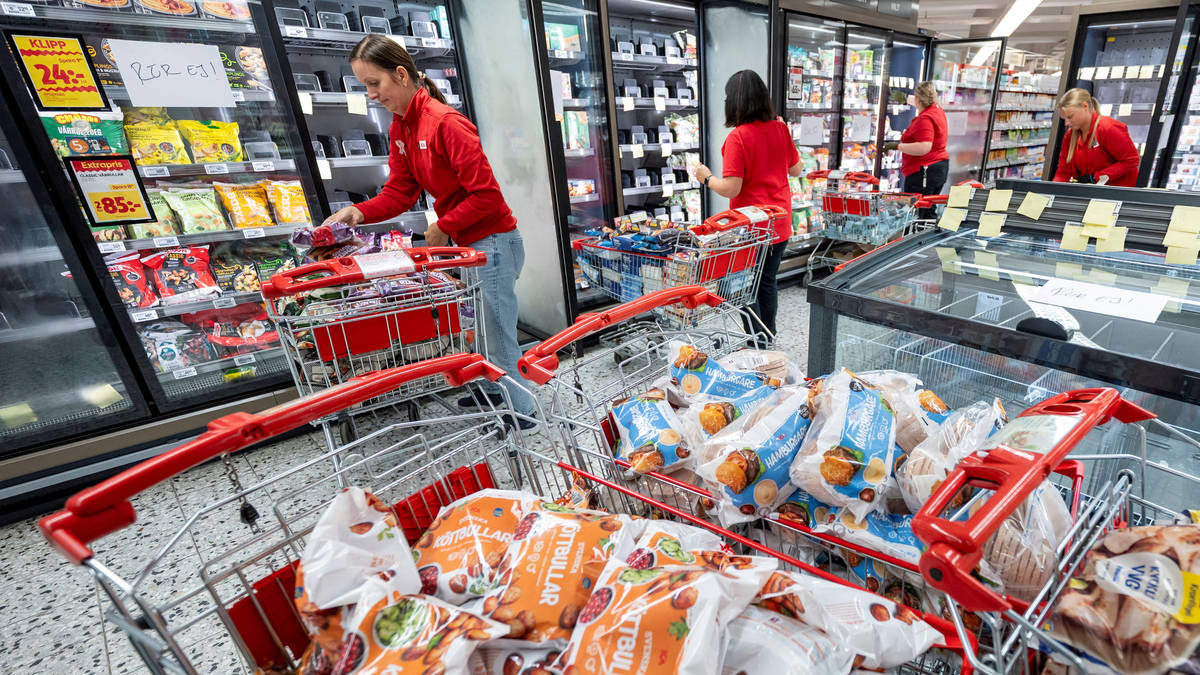
Stores in Belgium, Luxembourg, Sweden, Ireland, and Estonia reported issues with their refrigeration systems, which were either switched off or forced into defrost mode overnight. Temperatures in some fridges and freezers soared as high as 50°C, leading to the spoilage of millions of euros worth of food.
Impact on Supermarket Chains
Around 40 Delhaize supermarkets in Belgium and Luxembourg, several ICA and Coop shops in Sweden, and 13 SuperValu stores in Ireland were affected. Employees were seen throwing away bags of spoiled food, with losses ranging from tens of thousands of euros to over €130,000 per store.
Previous Attack in France
The incidents follow a similar attack in France last month, where hackers took control of cooling units at hundreds of supermarkets. The attackers overrode settings on thousands of freezers, fridges, and chilled cabinets, causing temperatures to rise from as low as -27°C to more than 50°C. Stores were forced to discard large quantities of fresh meat, dairy, and frozen goods, with losses varying from tens of thousands of euros to €270,000 at two supermarkets in Alsace.
Cybersecurity Concerns
The attacks have highlighted the vulnerability of internet-connected systems, particularly in critical infrastructure. Stephan Moelans, chief executive of Belgian refrigeration company Sabcobel, confirmed that the units were targeted in a cyber attack, putting evaporators into defrost mode.
"Many operational technology devices remain exposed and need patching or updating," warned John Billow, head of Sweden's national cybersecurity centre.
The identity of the attackers remains unknown, and no group has claimed responsibility. However, the attacks have prompted a reevaluation of the security measures in place for internet-connected systems, especially those with potential impacts on food supply and energy consumption.
"It's time to move away from all this internet-connected stuff. Can't be hacked if they aren't connected."
The Debate Over Internet-Connected Freezers
The attacks have sparked a debate about the necessity and security of internet-connected freezers. Some argue that remote monitoring and control can improve efficiency and reduce costs, while others question the need for such connectivity and the potential risks it introduces.
"It's cheaper, it allows faults to be diagnosed or even repaired remotely and it allows central temperature and defrost cycle control. It's cheaper and more convenient so Supermarkets went all in on it."
However, others point out that the convenience of internet connectivity comes at the cost of increased vulnerability:
"The real issue here isn't that they're connected to the internet, it's the lack of security that allowed this to happen."
The attacks have also raised concerns about the potential for malicious actors to disrupt critical infrastructure, such as energy systems, and the need for robust cybersecurity measures to protect against such threats.
"While it may not seem like a big deal for a few freezers to go down, this is now the second time this has happened in Europe in the past month. It is likely that Russia is behind these attacks. If that's the case, these attacks likely serve as a warning shot. It wouldn't surprise me if energy systems were targeted by cyber attacks in a few months time."
As the investigation into the attacks continues, the incident serves as a stark reminder of the importance of cybersecurity in an increasingly interconnected world.

