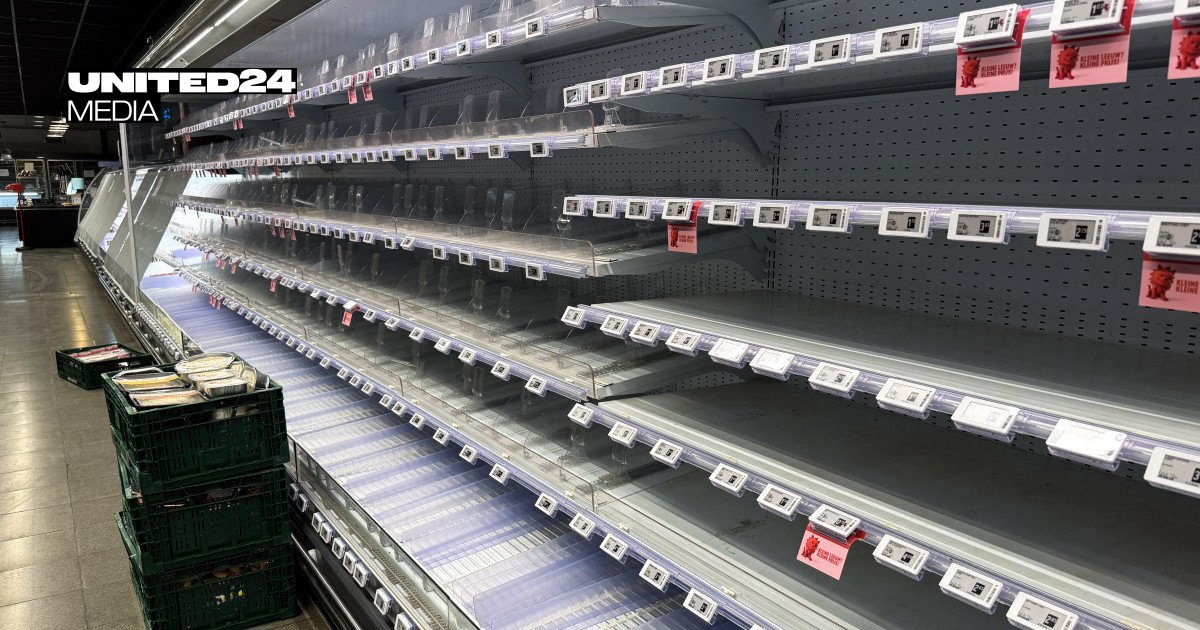
On November 2, a coordinated cyberattack disrupted refrigeration systems in at least seven European Union countries, forcing retailers to discard large quantities of chilled and frozen food. The attack affected over 100 stores across Sweden, Finland, Ireland, Belgium, Luxembourg, Estonia, and the Netherlands, with some freezers reaching temperatures as high as 55°C.
Widespread Disruptions and Food Losses
In Sweden, supermarket chains Coop and ICA reported significant disruptions, with one ICA store’s freezer reaching 55°C, spoiling its contents. Belgian retailers, including Carrefour and Delhaize, also faced widespread issues, with refrigeration problems at dozens of stores. In Ireland, 13 SuperValu stores were affected, while in Finland, Kesko detected temperature anomalies at several smaller K-food stores. Estonia’s Selver supermarket experienced a similar incident, though it was quickly resolved.
Vulnerabilities in Connected Systems
Many of the affected refrigeration systems used remote-control technology supplied by manufacturers like Danfoss and Copeland. Some systems remained connected to unsecured networks, still using default passwords, making them easy targets. The attackers exploited these vulnerabilities to manipulate temperature settings and activate extended defrost cycles, causing extensive damage.
Lessons from Previous Attacks
This incident follows a similar cyberattack in France three weeks prior, where around 700 supermarkets were targeted. In that case, attackers pushed temperatures above 50°C, causing food losses and fires. Cybersecurity experts noted that many compromised systems were older models no longer receiving security updates, highlighting the risks of outdated infrastructure.
Reactions and Solutions
The attacks sparked discussions about the risks of connecting critical systems to the internet. One commenter observed, 'Why are supermarket freezers online?' Another suggested, 'All this could be done by creating local private networks and then connecting every network by LAN cables to the main server rather than leaving the network ports open to the live internet.' Others pointed out the need for better security measures, such as independent temperature alarms and regular password updates.
Broader Implications
While no group has claimed responsibility, the attacks raise concerns about the vulnerability of food supply chains to cyber threats. Similar tactics have been observed in Russia’s cyber campaign against Ukraine, where state-backed groups targeted grain logistics companies. The incidents underscore the need for robust cybersecurity measures in critical infrastructure, as the consequences of such attacks extend beyond financial losses to public trust and national security.
As one commenter noted, 'It's targeted disruption from a hostile nation. Attack the food of a nation and see how quickly paranoia rises.' The attacks serve as a stark reminder of the interconnected risks in an increasingly digital world.

